Beyond the Front Door: Reviewing Wayfinding as Part of UK Service Access
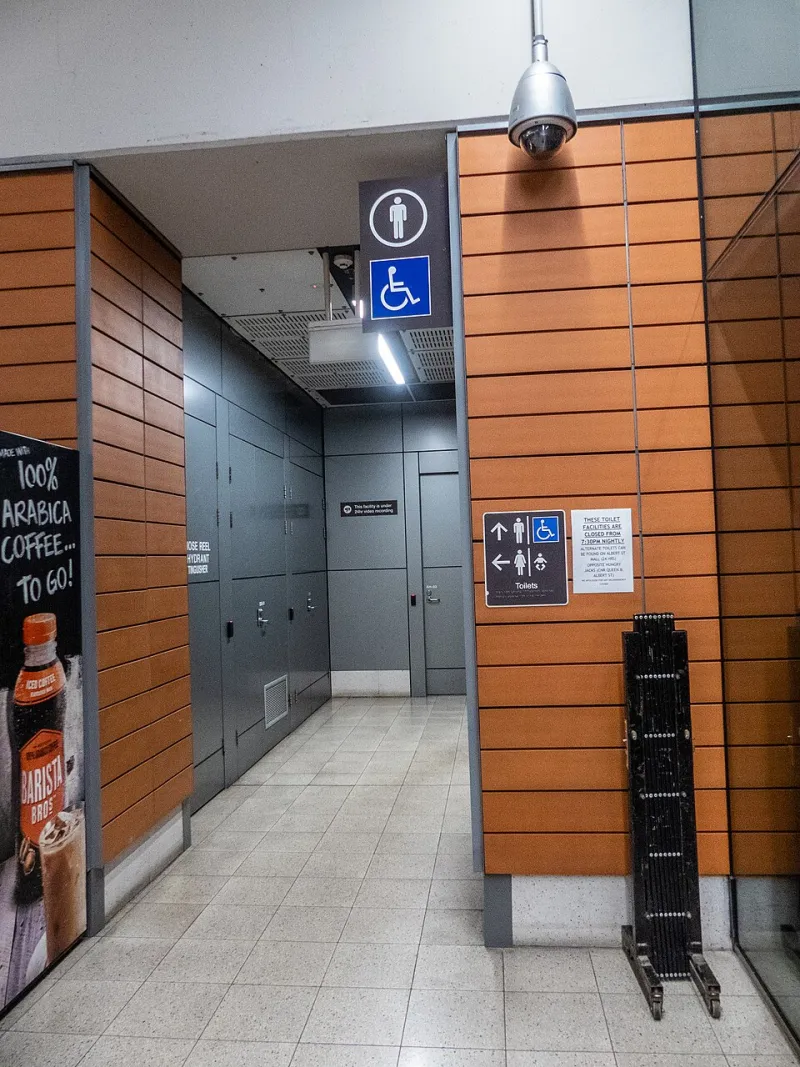
Photo: John Robert McPherson, CC BY-SA 4.0, via Wikimedia Commons
Most organisations can point to a physical improvement that made their building easier to use: a ramp, a widened doorway, a lowered counter. Fewer can explain how a first-time visitor finds that entrance, that counter or the right department once inside. Wayfinding is often treated as a signage task, but for visitors it is part of the service itself. A person who cannot identify the correct door, floor or reception point has not yet reached the service, however accessible the service may be once they arrive.
A wayfinding review is not a search for more signs. It is a structured test of whether information, environment and human guidance work together. For UK public-facing organisations—councils, clinics, libraries, advice centres, arts venues and customer service sites—the aim is to reduce guesswork at every decision point.
Start before the building
The visitor journey begins before arrival. Check the website, booking confirmation, appointment letter and telephone message. Do they name the entrance, not just the building? Do they explain which side of the street it is on, where the accessible door is and what visitors should do if they arrive by bus, train or car? A map is useful only if it matches the route people actually take. Include the postcode, a landmark and a plain description of the final approach. If temporary works change the route, update the information in the same place visitors already look.
Walk the route as a first-time visitor
Ask someone who does not know the building to walk the full route while you observe. Begin at the nearest public transport stop, car park or pavement boundary. Note every point where a person must choose: which gate, which door, which corridor, which lift. Check whether signs are visible from the decision point rather than further along the route. Look at height, contrast, lighting, glare and obstruction. A sign hidden behind a leaflet stand or placed above a busy doorway is not doing its job. Repeat the walk in poor light and at a busy time if possible.
Use one name for one place
Inconsistent language creates unnecessary cognitive load. If the website says main reception, the sign says enquiries and staff call it the front desk, visitors may conclude they are in the wrong place. Agree a short vocabulary for entrances, floors, rooms and services, then use it consistently across signs, maps, letters, web pages and staff briefings. Avoid internal acronyms and departmental shorthand. Number floors clearly and explain any split levels. Maps should be oriented to the direction the viewer is facing wherever practical, or carry a clear you are here marker.
Offer information in more than one format
No single format works for every visitor. Printed signs should use clear type, good contrast and plain English. Consider large print, easy read, tactile information and audio or digital alternatives where resources allow. A mobile-friendly web page can supplement fixed signs, but it should not be the only route. Visual symbols help only when their meaning is obvious; pair them with words. Accessible formats are not a parallel system added at the end. They are part of the main wayfinding offer.
Treat staff as part of the signage
Reception and security teams are often the most responsive wayfinding tool an organisation has. Their confidence matters. Brief them on accessible routes, toilet locations, quiet spaces and the correct names for rooms. Give them a current map and a simple way to report missing or misleading signs. Avoid leaving visitors to choose between waiting in a queue and interrupting a conversation. A short welcome that confirms the destination and the next step can remove more uncertainty than an extra wall sign.
Test with people who have not learned the building
The most useful test is not whether staff can follow their own signs, but whether disabled visitors can complete realistic tasks without assistance. Invite people with visual impairments, mobility needs, hearing loss, cognitive differences and older visitors to take part. Ask them to find reception, an accessible toilet, a meeting room or an exit. Observe where they hesitate, turn back or ask for help. Use open questions and record the route, not just the verdict. Testing should be planned with consent, reasonable expenses and a clear explanation of what will change.
Low-cost fixes first
Many improvements need little or no capital budget. Reposition existing signs to decision points. Remove clutter that obscures them. Add directional arrows at corridor junctions. Replace jargon with plain English. Create a one-page accessible route map for the website and reception. Brief front-line staff and update the answer they give on the phone. Review temporary signage after building works. These measures will not solve every problem, but they often remove the most frequent points of failure.
Keep the route under review
Wayfinding deteriorates quietly. A new partition, a changed room booking system or a relocated bus stop can break a route that once worked. Add wayfinding checks to routine accessibility reviews and give each issue an owner and a review date. Collect feedback from visitors and staff, and record what was changed. The objective is not a perfect sign system on paper. It is a visitor experience in which people can find their way with confidence, ask for help without embarrassment and reach the service they came for.