Before the Clock Starts: Building Accessible Assessment Arrangements for UK Learners

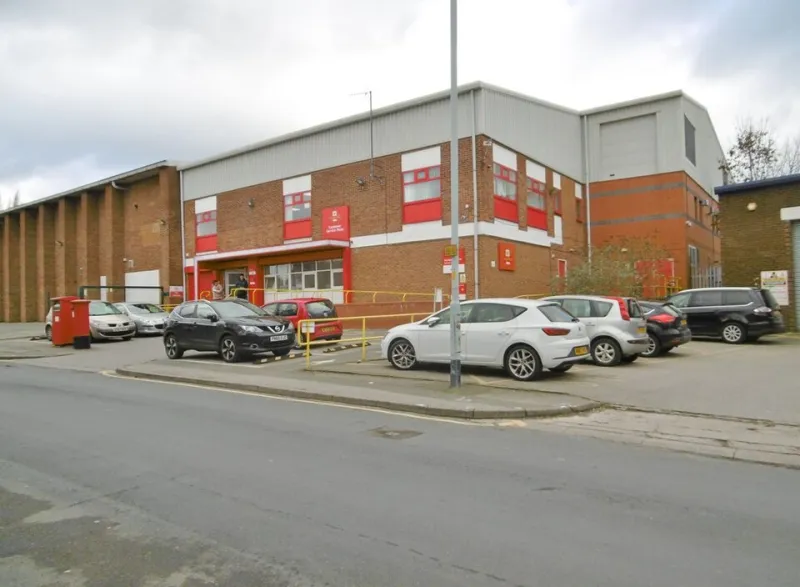
Photo: John Taggart from Claydon Banbury, Oxfordshire, CC BY-SA 2.0, via Wikimedia Commons
Assessment is where a course finally asks a learner a direct question: can you show us what you have learned? For disabled learners and those with long-term health conditions, the answer can depend less on knowledge than on the circumstances in which the question is put. Under the Equality Act 2010, training providers have a duty to make reasonable adjustments, and awarding organisations publish their own expectations for approved centres. Meeting those obligations well requires more than a form offering 25 per cent additional time.
This article sets out a practical approach for UK training providers, further education colleges and workplace learning teams. The aim is a coherent set of arrangements that hold together on the day, rather than a collection of concessions granted late and applied unevenly.
Start with the assessment, not the adjustment
Before deciding what to offer, describe precisely what the assessment measures. A practical observation in a workshop, a written examination, a portfolio submission and a professional discussion each place different demands on a candidate. Some require sustained reading; others demand fine motor control, quick verbal reasoning or tolerance of a noisy environment.
A useful exercise is to list, for each assessment component, the underlying skills being tested and the incidental demands that come with them. Reading a scenario to test decision-making also tests reading speed. Typing an answer to test technical knowledge also tests hand function. Distinguishing the two is the foundation of proportionate adjustment: the incidental demand can often be removed without weakening the standard being assessed.
Choosing a venue that does not add difficulty
Venue selection is frequently settled months before individual needs are known, which is why it deserves early attention. A room that is cheap, central and available is not automatically suitable.
Questions worth asking at the point of booking include:
- Is the route from the nearest public transport to the assessment room step-free, and is it described accurately rather than optimistically?
- Are there accessible toilets on the same floor, and are they unlocked and uncluttered?
- Can lighting be adjusted, and is there glare from windows at the times assessments are scheduled?
- Is the room quiet, or does it sit beside a lift shaft, a kitchen or a busy corridor?
- Is there a separate space where a candidate can take a break, regulate, or sit an assessment individually?
Where a venue is fixed by a landlord or partner, record the constraints and plan around them. A candid note in the centre's planning documents prevents the same problem recurring each cycle.
Materials that are usable before they are readable
Assessment papers, briefs and candidate packs should be reviewed for accessibility as a matter of routine, not only when a request arrives. Sensible baseline practice includes:
- Clear sans-serif typefaces at a minimum of 12 point, with generous line spacing and left-aligned text.
- Strong colour contrast, and no reliance on colour alone to convey meaning.
- Consistent heading structures that map to the digital version.
- Descriptions of any diagram or image that carry the information the image conveys.
- Page numbers and a contents list for longer documents.
Providers should also confirm that alternative formats can be produced within a realistic timescale. Large print, electronic text and braille are not interchangeable, and each takes time to prepare. A centre that can supply a digital version by return but needs three weeks for braille should say so in its published arrangements.
Instructions that survive pressure
Assessment instructions are often written by subject specialists for subject specialists. Under time pressure, dense paragraphs and layered sub-clauses become a test of comprehension rather than competence.
Rewrite instructions in plain English, use numbered steps, and separate what a candidate must do from what they may do. Clarify whether notes are permitted, how to request assistance, and what to do if equipment fails. Where an invigilator or assessor will read instructions aloud, agree the wording in advance so that all candidates receive the same information.
It is also worth rehearsing the practical questions candidates actually ask on the day. A short briefing note for invigilators, covering common queries and the correct escalation route, reduces inconsistency and anxiety in equal measure.
Breaks as part of the design
Supervised breaks, taken away from the assessment room, are a well-established adjustment. They are less effective when they are improvised.
Providers should decide in advance whether breaks stop the clock or are taken within the overall time, and communicate that decision clearly. Candidates need to know where they will go, who will accompany them, whether they may use a phone or take medication, and how they will return to their desk without disruption. Arrangements for candidates who need to eat, manage fatigue or use medical equipment should be agreed in writing beforehand.
Where several candidates require breaks, plan supervision capacity rather than assuming one invigilator can cover all of them.
Technology, tested rather than assumed
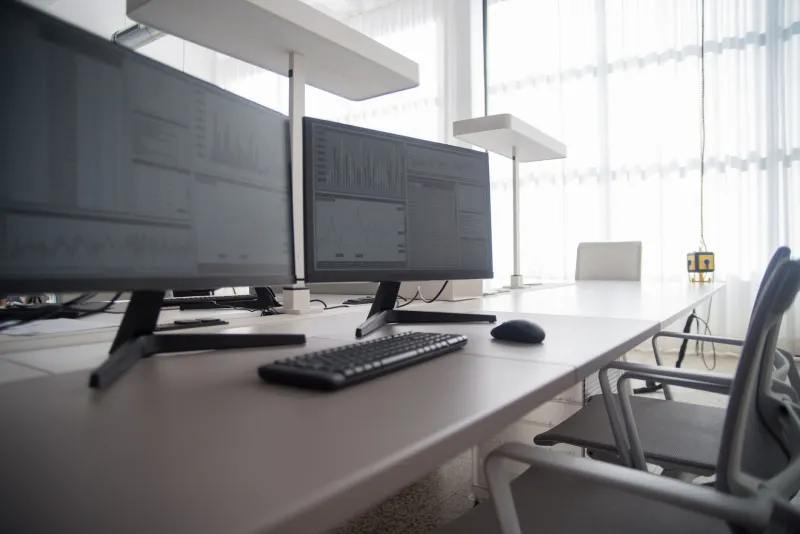
Assistive technology introduces dependencies that only appear under exam conditions. A screen reader that performs well in an office may behave differently on a locked-down assessment machine. A candidate's own keyboard may not be permitted. Network restrictions may block the very software the adjustment relies on.
A short, scheduled practice session in the actual assessment environment resolves most of this. Invite the candidate to test the equipment, confirm who will provide technical support, and agree a fallback if the technology fails mid-assessment. Document the agreed configuration so it can be replicated in future sittings.
Communication that respects the candidate
Discussion about adjustments should be a conversation, not a form. Candidates are the experts on what they need, and they are entitled to a clear explanation of what the provider can offer and why.
Good practice includes confirming arrangements in writing, naming a single point of contact, and setting an internal deadline for requests that leaves genuine time to organise. Where a request cannot be met in full, explain the reasoning and offer the nearest effective alternative. Avoid asking for medical evidence by default; request only what is necessary to make a decision, and store it securely.
Reviewing what happened
Finally, close the loop. After each assessment cycle, gather brief feedback from candidates and staff, note where arrangements worked and where they were rushed, and update the centre's standard operating documents. A small annual review, conducted alongside awarding organisation updates, keeps the process current without turning it into a project.
Accessible assessment is not a specialist add-on. It is the ordinary business of running a fair assessment, done with enough forethought that no candidate has to choose between disclosing a difficulty at short notice and performing below their ability. Providers that build these arrangements into their planning will find the day runs more calmly for everyone involved.