Access Information Visitors Can Trust: A Practical Standard for UK Organisations
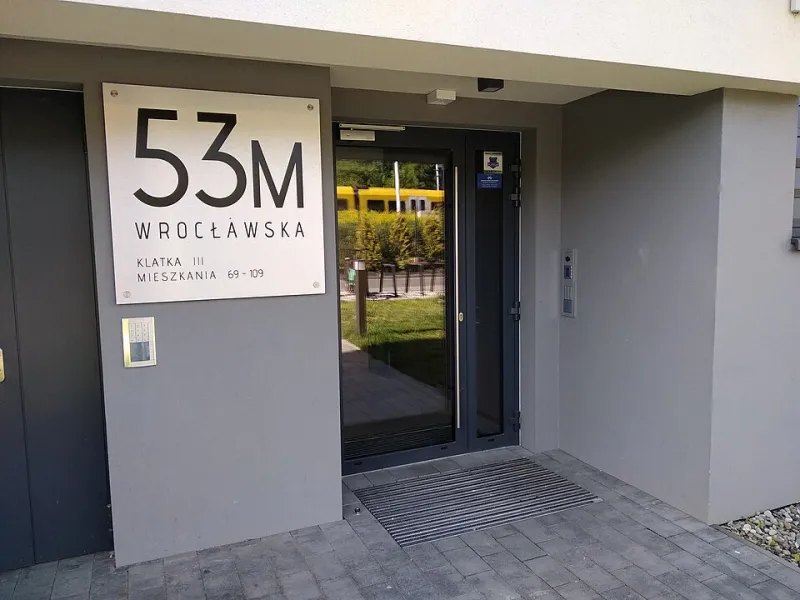
Photo: Mateusz Konieczny, CC0, via Wikimedia Commons
Most visitors do a little research before they set out. Disabled visitors tend to do rather more. They want to know whether the entrance has steps, whether the lift is working, where the nearest accessible toilet sits and whether anyone will answer the phone if plans change. For many people, the access note on a website is the document that settles the question of whether to attend.
That places an unusual weight on a few paragraphs often buried near the bottom of a contact page. Under the Equality Act 2010, organisations carry an anticipatory duty to make reasonable adjustments, and clear advance information is one of the simplest ways to meet it. Yet access notes are frequently written in a hurry, copied from a previous premises, or phrased so broadly that they answer nothing.
The remedy is not complicated. It requires precision, a willingness to admit limits and a named person at the end of the details.
Describe the journey, not just the building
The most useful access notes follow the visitor's route in order. Transport and arrival come first: which station or bus stop is closest, how long the walk takes at an unhurried pace, whether the pavement is level, whether there is a crossing with tactile paving. Parking follows: how many Blue Badge bays exist, how far they are from the door, whether the surface is tarmac or gravel, and whether a space should be booked.
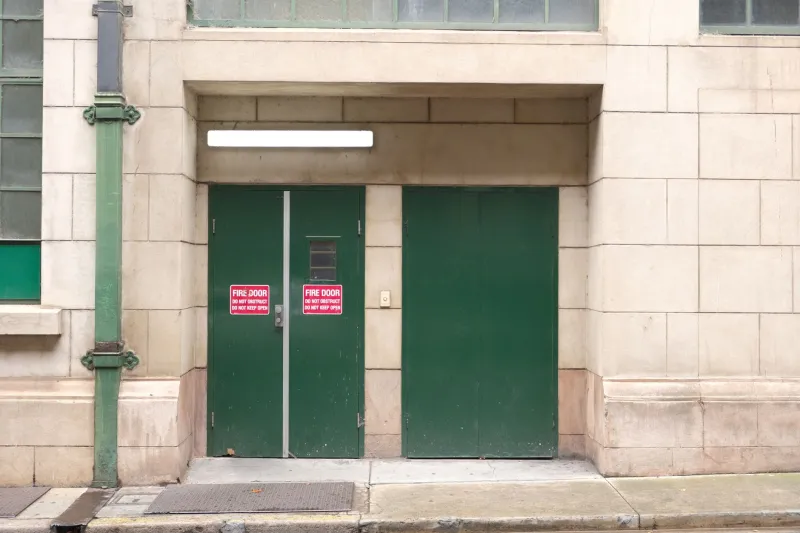
Then the approach and entrance. If there are two doors, say plainly which one is step-free and where it sits relative to the main frontage. Note the number of steps, the presence of handrails, the gradient of any ramp and the width of the doorway. A visitor using a powered chair will want to know whether the threshold has a lip.
Once inside, describe reception, the lift, the meeting rooms and the toilets in the same orderly way. A reader should be able to picture the visit from kerb to seat without guessing.
Replace reassurance with measurement
Phrases such as "fully accessible" and "wheelchair friendly" carry no information and can mislead. A door described as accessible may still be too narrow for some chairs; a toilet described as adapted may be used for storage.
Specific detail does the work instead. State the width of the entrance door and the lift, the dimensions of the lift car, whether the lift needs a key or a staff escort, and how many floors it serves. Where a route involves a slope, give the gradient rather than the word "gentle". Where a hearing loop is installed, say which rooms have it and whether it is checked regularly.
Measurements need not be exhaustive. A short, accurate list is worth more than a long, hedged paragraph.
Be straightforward about facilities
Accessible toilets deserve more than a tick box. Say where they are, whether they are separate from other facilities, whether they are locked and how a visitor obtains a key. Mention grab rails and transfer space where known. Where a Changing Places facility is available locally, either on site or nearby, that is worth naming, along with the distance.
Assistance dogs should be addressed directly. Confirm that dogs are welcome throughout the building, note any water bowls or relief areas, and make clear that staff have been briefed. For parking, give the number of bays, the enforcement arrangements and whether a permit or advance notice is needed.
Paint the sensory picture
Access information is not only about physical routes. Many visitors need to know what the environment will feel like. Is the reception area open-plan and echoing? Are there background announcements, televisions or music? Is lighting bright and fluorescent, or adjustable? Are there queues at particular times, and is there a quieter room that can be requested in advance?
This section is valuable for autistic visitors, people with hearing loss, people who experience migraine and anyone whose anxiety rises in unfamiliar, busy spaces. A sentence about a calm room and how to ask for it can change a decision about attending.
Honest limits build more confidence than broad claims
If a meeting room sits up two steps with no lift, say so early and offer the alternative: a ground-floor room, a video call, a home visit, or staff bringing documents to the entrance. A limitation disclosed in advance allows a visitor to plan. The same limitation discovered on arrival causes embarrassment, wasted travel and, often, a formal complaint.
Where a temporary change occurs — a lift out of service, building work at the main entrance, a relocated reception — the access note should be updated the same day and the alternative route described in full.
Name a person and explain what happens next
A general enquiries address is not an access contact. Provide a named individual or team, a direct telephone number, an email address and the hours when someone will answer. Confirm that calls through text relay and the Next Generation Text service are accepted, and state a realistic response time, such as within two working days.
It also helps to say what the contact is for. Invite visitors to discuss adjustments in advance — seating, breaks, interpreters, materials in alternative formats, early admission to avoid crowds. The offer should sound routine rather than exceptional, because it is.
Keep the note findable, current and readable
Access information should be linked from the contact page, booking confirmations, event invitations and joining instructions, not only from a footer. Give it an owner and a review date, and revisit it whenever the building changes, a tenant moves in or a lift is refurbished.
Write in plain English, use proper headings so screen readers can navigate, avoid maps supplied only as images, and add alternative text to floor plans. Present the same information in a downloadable document for visitors who prefer to print it.
A short checklist before publishing
- Does the note follow the visitor's route from arrival to exit?
- Are doors, lifts, steps and gradients described with specifics?
- Are toilets, parking and assistance dogs covered plainly?
- Is the sensory environment described, with a quiet option noted?
- Are limitations stated, alongside realistic alternatives?
- Is there a named contact, a direct number and a response time?
- Is the page easy to find, dated and owned by someone?
An access note is a promise, and it should be a modest one. Written with care, it removes a phone call, a doubt and sometimes a wasted journey. That is a small piece of work with a disproportionate effect on whether disabled visitors feel expected rather than accommodated.